Source Modern Kitchen Plastic Storage Box for Restaurants, Hotels, and Canteens
Source a modern kitchen plastic storage box from 30 verified suppliers offering PET and PET+PP materials. Compare transparent, square, and rectangular options with flip-top lids for food storage in restaurants, hotels, and canteens.
Key considerations
Products List
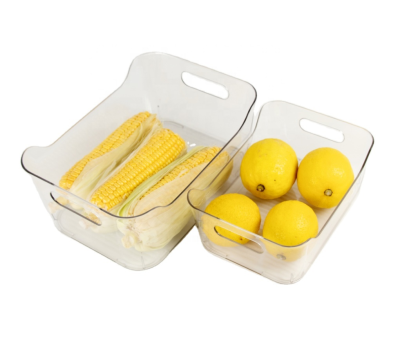
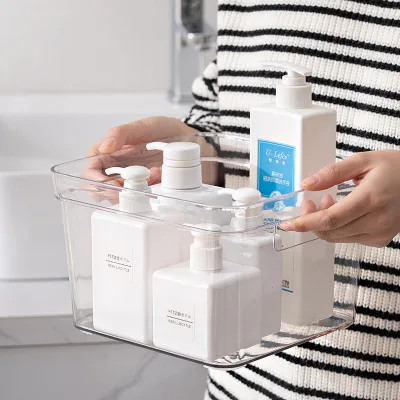


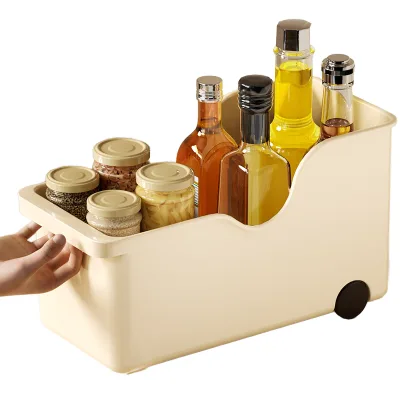


Comprehensive Sourcing Guide
Strategic Sourcing Guide for Modern Kitchen Plastic Storage Solutions
Navigating the global market for modern kitchen plastic storage boxes requires a disciplined approach that balances aesthetic requirements with functional durability. For procurement professionals in the food service, retail, and hospitality sectors, the selection of storage solutions is not merely about containment; it is about optimizing space, ensuring food safety, and maintaining brand integrity through consistent product quality. The current landscape offers a diverse array of options, ranging from simple transparent containers to complex modular systems, each governed by specific material properties and manufacturing techniques. This guide synthesizes available market data to provide a structured framework for evaluating suppliers and products, ensuring that procurement decisions are grounded in verifiable facts rather than marketing assertions.
Material Composition and Manufacturing Techniques
The foundation of any reliable storage container lies in its material composition. In the modern market, Polyethylene Terephthalate (PET) and Polypropylene (PP) are the dominant materials, often used in combination to leverage the strengths of both. PET offers exceptional clarity and rigidity, making it ideal for transparent containers where product visibility is a key selling point. PP, conversely, provides superior flexibility and heat resistance, which is critical for lids and components that require a tight seal or durability against repeated opening and closing.
Manufacturing processes play a pivotal role in determining the final product's structural integrity. Injection molding is the standard technique for producing high-volume, uniform containers, particularly for square or rectangular shapes that maximize shelf space. This method ensures consistent wall thickness and precise dimensional tolerances. However, for products requiring specific surface finishes or branding, printing techniques are often applied post-molding. Buyers must verify that the supplier utilizes injection molding for the base structure to ensure the "Industrial" or "Modern" design styles are executed with precision. The combination of PET and PP materials, often found in products labeled as "PET+PP," allows for a robust construction where the body provides clarity and the lid offers a secure, flexible closure mechanism.
Technical Specifications and Dimensional Standards
When evaluating potential suppliers, technical specifications serve as the primary filter for product suitability. The market data indicates a significant variation in product dimensions and capacities. A critical observation is the range of single package sizes, which can vary from approximately 24x13x12 cm to 26x17x12 cm, depending on the specific model. These dimensions directly impact logistics costs and warehouse efficiency. For instance, a container with a single gross weight of 0.270 kg presents a different shipping profile compared to a heavier unit weighing 1.000 kg.
Capacity is another vital specification. Products are frequently categorized by volume, with common ranges extending from 0 to 2 liters. This range is particularly suitable for portion control in commercial kitchens or for retail packaging of dry goods. The shape of the container is equally important; while square and rectangular shapes are prevalent for efficient stacking and storage, the "Industrial" design style often favors these geometric forms over rounded ones. Buyers should also note the availability of multiple sizes within a single product line, such as options offering 11 distinct sizes, which allows for a comprehensive storage solution that can accommodate various food types. The presence of specific model numbers, such as Y-9521 or YM-6173/6174, helps in tracking specific production runs and ensuring consistency across orders.
Functional Design and Operational Utility
The functional design of modern storage boxes extends beyond simple containment. Key features include freshness preservation capabilities, which are essential for extending the shelf life of perishable goods. The "Flip Top" lid mechanism is a common design element that offers a balance between ease of access and airtight sealing. This design is particularly advantageous in high-volume environments like canteens, fast food services, and juice bars, where speed of operation is critical. The flexibility of the functional design allows these containers to adapt to different storage needs, whether for stocking food in a commercial setting or for home organization.
The intended use cases are broad, covering everything from tableware applications to specialized food storage packages. The "Stocking Food" function is a primary attribute, indicating that these products are engineered to handle the rigors of daily food handling. Furthermore, the "Flexible" design attribute suggests that the containers can be used in various environments, from standard refrigeration to ambient storage. For buyers targeting the "Commercial Buyer" segment, which includes caterers, hotels, and specialty stores, the ability to maintain food quality while offering a modern aesthetic is paramount. The "Transparent" color option further enhances utility by allowing staff and customers to quickly identify contents without opening the container, reducing contamination risks and improving workflow efficiency.
Cost Drivers and Supply Chain Dynamics
Understanding the cost structure of plastic storage containers is essential for effective budgeting. Several factors influence the final price, which in the observed market ranges from $0.04 to $15.00 per unit. The primary cost drivers include the material type, the complexity of the molding process, and the packaging requirements. Products made from a PET+PP blend may command a different price point compared to single-material solutions due to the added processing steps. Additionally, the "Customized Packing" option introduces variability in costs, as bespoke packaging solutions often require additional setup and material expenses.
Supply chain dynamics also play a significant role. The "Supply Ability" of a manufacturer, observed at 100,000 bags per month, indicates a high-volume production capacity suitable for large-scale procurement. However, buyers must verify the actual lead times and the reliability of the supply chain, as these can fluctuate based on raw material availability and production scheduling. The "Place of Origin" is a critical factor, with Zhejiang, China, being a prominent manufacturing hub for these products. This location offers access to a robust supply chain for PET and PP resins, but it also necessitates careful logistics planning regarding the "Port of Dispatch," typically Ningbo. Buyers should consider the impact of shipping distances and customs regulations on the total landed cost, ensuring that the low unit price does not result in inflated logistics expenses.
Supplier Evaluation and Compliance Verification
Selecting the right supplier requires a rigorous evaluation process that goes beyond price comparisons. While the market data mentions potential certifications like CE and standards such as ISO 9001:2015 and ISO 14001:2015, these should be treated as verification targets rather than guaranteed attributes. Buyers must request current, valid certification documents directly from the supplier to confirm compliance with international safety and quality standards. The absence of a specific "Brand Name" on some products suggests a strong OEM or ODM market, where the supplier's reputation and manufacturing capabilities are the primary differentiators.
When evaluating suppliers, buyers should assess their ability to handle "Customized Logo" requests and "Customized Packing" requirements. This flexibility is often a key indicator of a supplier's capacity to meet specific brand needs. Additionally, the "Commercial Buyer" profile of the target market suggests that suppliers must be capable of serving diverse sectors, from TV shopping networks to large supermarket chains. A supplier's ability to provide consistent quality across different product lines, such as the "Glass Storage Jar Set" or "Dried Food Storage Jar," demonstrates their versatility and technical proficiency. Buyers should also verify the "Technics" employed, ensuring that the transition from injection molding to printing is seamless and that the final product meets the required "Design Style" expectations.
Quality Control and Long-Term Procurement Strategy
Implementing a robust quality control (QC) protocol is essential for mitigating risks associated with bulk procurement. Given the "Single gross weight" variations and the diverse range of "Single package sizes," buyers should establish clear acceptance criteria for dimensions, weight, and material integrity. Regular inspections should focus on the structural soundness of the "Flip Top" lids and the clarity of the "Transparent" bodies. Any defects in the injection molding process, such as flash or warping, must be addressed immediately to prevent downstream issues in the supply chain.
For long-term procurement, building a strategic partnership with a reliable supplier is more beneficial than transactional purchasing. The "All-Season" nature of these products means they are in constant demand, making a stable supply relationship crucial for maintaining inventory levels. Buyers should also consider the environmental implications of their procurement choices, particularly given the "Plastic Type" used. While the market data does not explicitly detail recycling capabilities, buyers should inquire about the recyclability of the PET and PP materials to align with corporate sustainability goals. Finally, maintaining a clear record of model numbers and specifications ensures that future orders can be replicated with precision, avoiding the confusion that can arise from product line changes or discontinuations. By adhering to these principles, buyers can secure a steady supply of high-quality, modern kitchen plastic storage solutions that meet both operational and commercial requirements.
FAQs
What material is used for modern kitchen plastic storage boxes?
These boxes are primarily made from PET or a PET+PP blend. PET provides clarity and rigidity for the body, while PP offers flexibility and heat resistance for lids, ensuring durability for food storage applications.
Which lid type is commonly featured on these storage containers?
The containers typically feature a Flip Top lid design. This mechanism balances ease of access with airtight sealing, making it suitable for high-volume environments like canteens and fast food services.
Can these boxes be customized with a specific logo?
Yes, suppliers accept customized logo requests for these products. This flexibility allows buyers to brand the containers for their specific commercial or retail needs while maintaining the standard product specifications.
What is the typical capacity range for these storage units?
The capacity generally ranges from 0 to 2 liters. This volume is ideal for portion control in commercial kitchens or for retail packaging of dry goods and fresh food items.
How are these products packaged for shipment?
The standard packaging is a PP bag. Some options may include customized packing, but the base unit is typically shipped in polypropylene bags to protect the transparent containers during transit.
What manufacturing technique is used to produce these boxes?
Injection molding is the standard technique used for production. This process ensures uniform wall thickness and precise dimensions, supporting the industrial or modern design styles required for efficient stacking.